
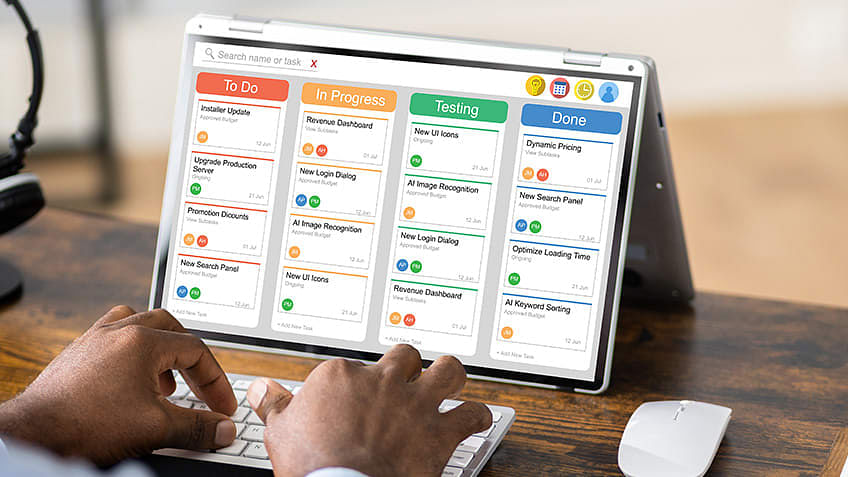
In today’s fast-moving business environment, accountability is the foundation of efficiency and trust within any organization. Without it, even the most talented teams can struggle to meet deadlines, maintain quality, or achieve goals consistently. For repair shops, service centers, and other performance-driven operations, accountability directly influences profitability and customer satisfaction. This is where digital task management becomes an indispensable tool. By integrating digital task management systems, businesses can assign responsibilities transparently, track progress in real time, and ensure every team member understands their role in achieving success.
The concept of creating accountability with digital task management goes far beyond tracking who completed what. It involves establishing clear ownership of tasks, providing measurable performance insights, and fostering a culture of reliability and transparency across the organization.
Understanding Accountability in the Modern Workplace
Accountability is more than meeting deadlines; it’s about individuals taking ownership of their actions, outcomes, and contributions to the team. In traditional workplaces, accountability was often maintained through manual oversight, paper-based tracking, or verbal updates. However, as operations become more complex and decentralized, manual systems no longer suffice.
Digital task management brings structure and visibility to accountability. It empowers employees by clearly defining expectations, automating updates, and reducing ambiguity in workflows. This clarity transforms accountability from a reactive process into a proactive practice where employees stay aligned with organizational goals.
Why Accountability is Essential for Operational Success
In industries like auto repair, manufacturing, or service operations, accountability determines the difference between smooth execution and costly mistakes. The benefits of accountability include:
- Consistency in performance: Ensures every employee meets expected standards.
- Transparency in operations: Provides visibility into task ownership and progress.
- Reduced miscommunication: Eliminates confusion about who is responsible for each stage of work.
- Higher morale: Employees feel empowered when their contributions are acknowledged.
- Improved efficiency: Teams work faster when tasks are clear and measurable.
By pairing these principles with digital task management tools, businesses can embed accountability into their daily operations seamlessly.
How Digital Task Management Creates Accountability
Digital task management platforms are designed to centralize task planning, assignment, execution, and tracking in a single digital ecosystem. They bridge communication gaps, automate repetitive processes, and provide leaders with real-time visibility into team performance. Let’s break down how these systems create a culture of accountability.
1. Transparent Task Assignment
In any organization, unclear task allocation is a major cause of missed deadlines and frustration. Digital task management eliminates this by allowing managers to assign tasks to specific individuals or teams with detailed descriptions, deadlines, and priorities.
Every team member can see:
- What they are responsible for.
- When tasks are due.
- Who depends on their work for subsequent steps.
This transparency prevents overlap, confusion, and finger-pointing when issues arise. It also gives employees a clear understanding of their role in the overall workflow.
2. Real-Time Tracking and Progress Monitoring
Traditional task management relies on manual updates or periodic check-ins, which often delay problem detection. Digital systems enable real-time tracking of task status, allowing managers and team members to see updates instantly.
Benefits include:
- Early detection of delays or bottlenecks.
- Data-driven insights into individual and team productivity.
- The ability to reassign or reprioritize work efficiently.
For example, in a repair shop, managers can instantly view which technician is working on which vehicle, how long each job is taking, and whether additional support is needed. This level of visibility prevents tasks from slipping through the cracks.
3. Measurable Performance Metrics
Accountability thrives when performance is measurable. Digital task management systems automatically record metrics like time spent on tasks, completion rates, and deadlines met.
These metrics enable leaders to:
- Identify high performers for recognition or rewards.
- Detect recurring inefficiencies or skill gaps.
- Provide data-backed feedback instead of subjective opinions.
With this data, managers can make fair and informed decisions about training, promotions, or resource allocation.
4. Centralized Communication and Documentation
Miscommunication often undermines accountability. When instructions are buried in emails or verbal exchanges, important details get lost. Digital task management platforms centralize communication within each task, so all notes, attachments, and updates stay organized in one place.
This ensures that:
- Everyone has access to the latest information.
- Documentation is always available for reference.
- Accountability is traceable to specific actions or decisions.
This structure reduces the “he said, she said” problem and provides a transparent record of project history.
5. Deadline Visibility and Automated Reminders
Missed deadlines can derail entire projects. Digital task management prevents this by setting automated reminders and alerts for upcoming due dates. Managers no longer need to chase employees for updates—systems can notify individuals directly.
This automation improves accountability by keeping tasks visible and top of mind. It also builds trust among teams, as everyone knows the system will track progress consistently and objectively.
6. Integration with Workflows and Tools
Most digital task management platforms integrate seamlessly with other systems like inventory management, time tracking, and customer relationship management tools. These integrations create an interconnected network where data flows freely, reducing manual entry and errors.
For example, when a repair technician marks a task as complete, the system can automatically update the service report, trigger billing, and notify the customer. Each of these automated steps reinforces accountability by connecting individual actions to larger operational outcomes.
7. Visual Dashboards for Insight and Alignment
Dashboards give managers a bird’s-eye view of operational performance. Visual reports highlight metrics like job completion rates, task delays, and technician workload distribution.
This data-driven visibility allows teams to:
- Monitor alignment with business goals.
- Recognize trends in performance.
- Adjust workloads and priorities based on real-time data.
When employees see their performance reflected in visual dashboards, it fosters self-accountability. They understand how their work contributes to the team’s success, promoting intrinsic motivation.
Building a Culture of Accountability Through Digital Tools
While technology is a catalyst for accountability, culture sustains it. Digital tools must be paired with clear expectations, transparent leadership, and consistent follow-up.
1. Set Clear Expectations from the Start
Every employee should understand what success looks like in their role. This means defining measurable goals, realistic deadlines, and clear communication channels. Managers can use digital systems to document and share expectations, ensuring everyone is aligned.
2. Encourage Ownership and Autonomy
Accountability does not mean micromanagement. When employees are trusted to manage their own tasks within digital systems, they take greater ownership of outcomes. Autonomy builds engagement, while visibility ensures that accountability remains intact.
3. Use Data for Constructive Feedback
Feedback based on digital task data should aim to improve performance, not punish mistakes. Managers can use performance analytics to highlight achievements and discuss specific areas for growth. This approach reinforces accountability as a positive habit rather than a fear-based obligation.
4. Recognize and Reward Accountability
Recognition strengthens commitment. When team members consistently meet or exceed expectations, acknowledge their accountability publicly. Digital systems can track achievements and automate recognition workflows, reinforcing positive behavior across the organization.
5. Promote Transparency Across Departments
Accountability thrives when every department understands how their work impacts others. Digital task management systems allow cross-departmental visibility, enabling teams to coordinate effectively. This transparency reduces friction and strengthens interdepartmental trust.
Overcoming Common Challenges in Digital Accountability
Even with digital systems, some organizations struggle to maintain consistent accountability. The key lies in addressing these challenges early.
Resistance to Change
Employees accustomed to traditional methods may resist digital adoption. Overcome this by providing hands-on training, demonstrating benefits, and emphasizing how the system simplifies their daily tasks.
Data Overload
Too much data can overwhelm managers. Focus on key metrics that directly impact performance, such as task completion rates, time efficiency, and customer satisfaction.
Inconsistent Use of the System
Accountability falters when team members don’t use the system consistently. Establish a policy requiring all task-related communication and updates to occur within the platform. Reinforce this habit through leadership example.
Real-Life Applications of Digital Task Management for Accountability
In a repair shop, digital task management creates traceability from start to finish. When a vehicle is checked in, the system assigns tasks to specific technicians for diagnostics, parts ordering, and repair completion. Managers can monitor progress in real time, track time spent on each stage, and identify any delays immediately.
If a customer calls for an update, staff can quickly check the system for accurate information. Once the repair is complete, the same system documents the job for billing and warranty tracking. Every step of the process is recorded, ensuring full accountability across the team.
Beyond repair shops, industries like construction, logistics, and healthcare use similar systems to manage complex workflows, minimize risk, and maintain compliance standards—all through enhanced accountability.
Frequently Asked Questions (FAQ)
Q: How does digital task management differ from traditional scheduling?
A: Traditional scheduling focuses only on assigning jobs and deadlines. Digital task management adds layers of visibility, automation, and data analysis that allow managers to monitor progress, measure performance, and ensure accountability.
Q: Can digital task management reduce employee micromanagement?
A: Yes. Since employees update their own progress and systems track results automatically, managers can focus on coaching and improvement rather than constant supervision.
Q: How do these systems help in remote or hybrid work environments?
A: Digital task management enables real-time updates and communication regardless of location, ensuring accountability and productivity even when teams work remotely.
Q: What metrics should managers track to measure accountability?
A: Key metrics include task completion rate, on-time performance, time spent per task, and collaboration efficiency. These metrics reflect both productivity and responsibility.
Q: Is digital task management suitable for small businesses?
A: Absolutely. Even small teams benefit from structured workflows, transparency, and time savings. Scalable platforms allow smaller operations to start with basic features and expand as needed.
Q: How can digital task management improve customer satisfaction?
A: By ensuring jobs are completed on time, keeping records accurate, and enabling faster communication, customers receive a more consistent and reliable service experience.
Q: Can digital task management improve interdepartmental collaboration?
A: Yes. Shared dashboards and task visibility foster cooperation between departments, ensuring smooth handoffs and preventing communication breakdowns.
Q: How can leaders encourage long-term accountability using digital tools?
A: Consistency is key. Set expectations clearly, review progress regularly, and integrate accountability into performance reviews and rewards programs.
Final Thoughts
Creating accountability with digital task management transforms the way organizations operate. It bridges the gap between individual responsibility and team success by making every action measurable, visible, and aligned with business goals. When technology, culture, and leadership work together, accountability stops being a challenge and becomes a driving force for efficiency, trust, and long-term growth.
