
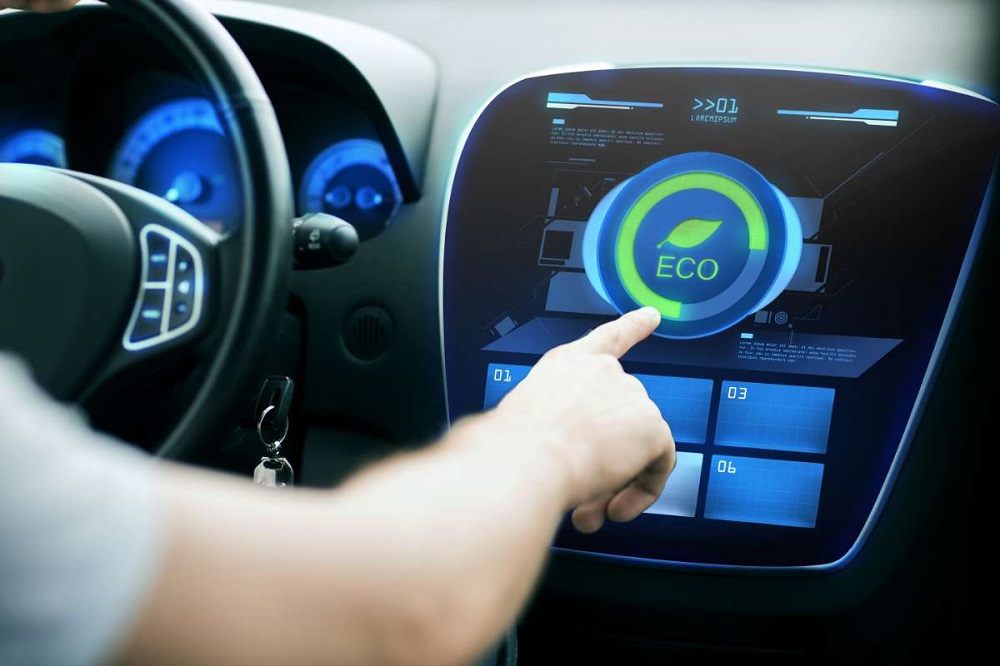
The modern automotive landscape is shifting rapidly toward sustainability. While electric vehicles dominate headlines, the immediate potential for environmental conservation lies in how people drive their current vehicles. Eco-friendly driving, often referred to as ecodriving, is a collection of behaviors, choices, and maintenance habits that maximize fuel efficiency and reduce a vehicle’s environmental footprint. Implementing these practices does not require purchasing a new hybrid or electric car. Instead, it relies on altering daily habits to optimize the internal combustion engines and hybrid systems already on the road. Adopting sustainable driving patterns yields substantial benefits that extend far beyond personal fuel savings, positively impacting public health, vehicle longevity, and global environmental initiatives.
Maximizing Fuel Efficiency and Financial Savings
The most immediate and quantifiable benefit of eco-friendly driving is the reduction in fuel consumption. Aggressive driving behaviors, such as rapid acceleration, tailgating, and heavy braking, waste fuel by forcing the engine to operate outside its optimal efficiency range. Research indicates that aggressive driving can lower gas mileage by roughly 15 to 30 percent at highway speeds and 10 to 40 percent in stop-and-go traffic.
By adopting a smoother driving style, motorists can significantly lower their annual fuel expenditures. Gentle acceleration allows the transmission to shift into higher gears sooner, keeping the engine operating at lower revolutions per minute. Similarly, anticipating traffic flow prevents unnecessary acceleration followed by abrupt braking. When drivers maintain a safe following distance, they can coast to a slow stop rather than slamming on the brakes, conserving the momentum that the engine worked to create.
Speed management plays a critical role in fuel conservation. Most passenger vehicles are engineered to achieve maximum fuel economy at speeds between 30 and 50 miles per hour. Above 50 miles per hour, aerodynamic drag increases exponentially, forcing the engine to consume significantly more fuel to maintain speed. For every 5 miles per hour driven over 50 miles per hour, motorists essentially pay an additional premium per gallon of gasoline. Utilizing cruise control on flat highway terrain helps maintain a steady speed, eliminating the micro-accelerations that drain fuel reserves over long distances.
Reducing Environmental Impact and Carbon Footprints
Transportation remains one of the largest contributors to greenhouse gas emissions globally. Every gallon of gasoline burned releases approximately 19.6 pounds of carbon dioxide into the atmosphere, while a gallon of diesel releases about 22.4 pounds. When multiplied across millions of drivers, minor inefficiencies aggregate into substantial environmental degradation.
Eco-friendly driving directly reduces the volume of tailpipe emissions. By burning less fuel per mile, a vehicle releases fewer pollutants, including carbon dioxide, carbon monoxide, nitrogen oxides, and unburned hydrocarbons. These gases trap heat in the atmosphere, driving global climate change and destabilizing weather patterns.
Beyond greenhouse gases, ecodriving addresses localized air quality issues. Particulate matter from exhaust systems, as well as dust generated by the wear of brake pads and tires, contributes heavily to urban smog. Abrupt braking causes accelerated wear on brake components, shearing off microscopic metallic particles that enter the air and waterways. Smoother deceleration patterns rely more on engine braking and coasting, mitigating the release of these particulate pollutants and improving the air quality of urban corridors.
Decreasing Vehicle Wear and Maintenance Costs
A vehicle subjected to aggressive driving requires more frequent repairs and suffers a shorter overall lifespan. Mechanical components experience heightened stress when forced to accommodate sudden changes in speed and direction. Conversely, eco-friendly driving acts as a preventative maintenance strategy, reducing mechanical strain and preserving vehicle value.
-
Brake System Longevity: Constantly accelerating and braking rapidly generates extreme heat within the braking system. This heat causes brake rotors to warp and pads to wear down prematurely. Coasting and gradual deceleration dissipate heat naturally, doubling or tripling the lifespan of brake components.
-
Tire Preservation: Hard cornering and rapid acceleration strip tread from tires at an accelerated rate. Maintaining proper tire pressure, which is a core tenet of ecodriving, ensures an even contact patch with the road. This prevents uneven wear, improves rolling resistance, and extends tire life.
-
Engine and Transmission Protection: High-RPM driving and frequent downshifting subject internal engine components and transmission gears to intense friction and thermal stress. Operating the vehicle within recommended speed limits and accelerating smoothly keeps fluid temperatures stable, reducing the risk of catastrophic mechanical failures.
Enhancing Road Safety and Reducing Accidents
Eco-friendly driving habits are intrinsically linked to defensive driving principles. The primary behaviors that conserve fuel, such as maintaining distance, slowing down, and anticipating traffic changes, are the exact behaviors that prevent collisions.
When a driver focuses on maintaining a buffer zone around their vehicle to avoid unnecessary braking, they simultaneously grant themselves more time to react to unexpected hazards. If a leading vehicle stops suddenly or debris appears in the roadway, the ecodriver has the spatial cushion needed to respond calmly, rather than swerving or locking the brakes.
Slower highway speeds drastically reduce both the likelihood of an accident and the severity of an impact if a collision occurs. High-speed accidents involve exponential amounts of kinetic energy, leading to severe structural damage to vehicles and higher rates of injury or fatality for occupants. By capping speeds at or near the posted limit for efficiency reasons, drivers inherently cultivate a safer environment for themselves, their passengers, and vulnerable road users like cyclists and pedestrians.
Minimizing Extended Idling
One of the simplest yet most frequently overlooked aspects of eco-friendly driving is managing engine idling. Many drivers mistakenly believe that turning an engine off and restarting it consumes more fuel than leaving it running. In reality, modern fuel-injected engines require very little fuel to start, and idling for more than 10 seconds consumes more fuel than restarting the engine.
Idling accomplishes zero miles per gallon while continuously emitting pollutants. Whether waiting to pick up a passenger, sitting at a prolonged railroad crossing, or waiting in a drive-thru lane, turning off the engine conserves fuel and reduces localized emissions. Many newer vehicles feature automatic stop-start technology to handle this process seamlessly, but drivers of older vehicles can manually turn the key or press the start button to achieve the same ecological and financial benefits.
Optimizing Vehicle Logistics and Aerodynamics
Eco-friendly driving extends to how a vehicle is configured and packed before a journey even begins. Added weight and aerodynamic drag require the engine to work harder, burning excess fuel to overcome these physical resistance factors.
Carrying unnecessary cargo in the trunk or backseat increases the vehicle’s mass. For every 100 pounds of extra weight, fuel efficiency drops by roughly 1 to 2 percent. Periodically clearing out sports equipment, tools, and heavy items can yield noticeable efficiency gains over time.
Aerodynamic drag is another major source of fuel inefficiency, particularly at highway speeds. Roof racks, cargo boxes, and bicycle carriers alter the vehicle’s profile, forcing it to push through the air with greater effort. Removing these accessories when they are not in use restores the vehicle’s aerodynamic design, lowering fuel consumption on long commutes. Similarly, driving with the windows fully open at high speeds creates a parachute effect that increases drag; using the vehicle’s climate control system on the highway is often more fuel-efficient than keeping windows down at high speeds.
Frequently Asked Questions
How does proper tire inflation impact both fuel economy and the environment?
Under-inflated tires have higher rolling resistance, meaning the engine must work harder and burn more fuel to move the vehicle forward. For every 1 pound per square inch drop in pressure across all four tires, fuel economy decreases by roughly 0.2 percent. Environmentally, under-inflation causes tires to wear out faster, leading to premature disposal and increasing the volume of rubber particles shed into the surrounding ecosystem.
Is it more eco-friendly to use the air conditioner or roll down the windows on the highway?
At highway speeds, rolling down the windows creates significant aerodynamic drag, making the engine work harder to overcome air resistance. Utilizing the air conditioning system is generally more fuel-efficient at speeds above 45 miles per hour. Conversely, at lower city speeds, the aerodynamic penalty is minimal, making it more eco-friendly to roll down the windows and turn off the air conditioner.
What is hypermiling and how does it differ from standard eco-friendly driving?
Hypermiling refers to an extreme set of driving techniques used to exceed the government-rated fuel economy of a vehicle. While standard eco-friendly driving focuses on safe, practical habits like smooth acceleration and speed maintenance, some hypermiling techniques, such as tailgating large trucks to draft or turning off the engine while coasting, can be dangerous and illegal. Standard eco-friendly driving prioritizes safety alongside efficiency.
Does warming up the engine in the winter help or hurt eco-friendly driving efforts?
Warming up a modern vehicle by idling it for several minutes hurts efficiency and increases emissions. Modern fuel-injected engines require no more than 30 seconds of idling before they are ready to be driven. The fastest and most efficient way to bring an engine and cabin up to operating temperature is to drive the vehicle gently immediately after starting it.
How does regular engine maintenance contribute to lower emissions?
Regular maintenance, such as replacing clogged air filters, renewing worn spark plugs, and changing dirty engine oil, ensures that fuel burns completely and efficiently within the cylinders. A neglected engine can experience misfires and incomplete combustion, which drastically drops fuel economy and causes the vehicle to emit high levels of unburned hydrocarbons and toxic gases.
Why does using cruise control on hilly terrain sometimes decrease fuel efficiency?
Cruise control is programmed to maintain a rigid speed. When encountering a steep hill, the system will aggressively accelerate and downshift to maintain that exact speed, consuming excessive fuel. An eco-friendly driver can better manage hills by letting the vehicle speed drop slightly while climbing, then recovering that speed naturally using gravity during the descent.
